Exterior cleaning
How do you clean a pool terrace without damaging the surface?
A clean terrace should not come at the cost of etched stone, emptied joints, damaged sealant or contaminated pool water.
Updated 17 September 2026 · 6 min read
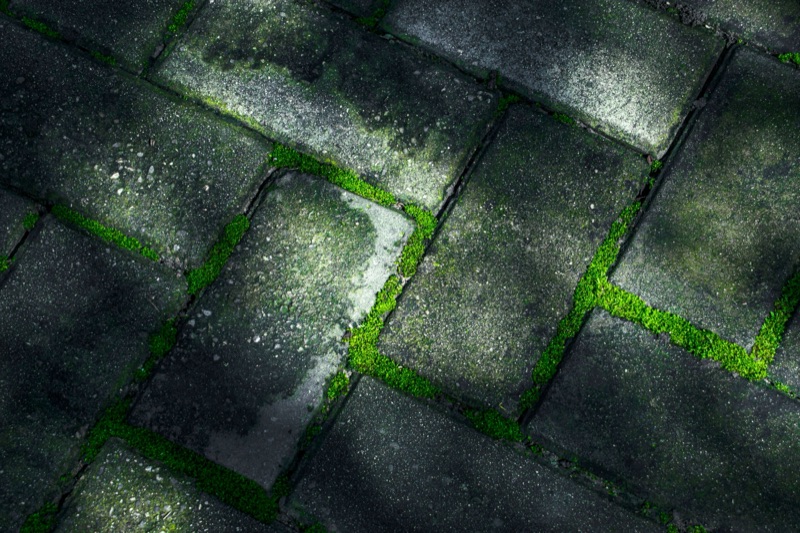
Name the surface before choosing the method
Natural stone, ceramic tile, concrete, composite decking and painted surfaces do not react in the same way. Even two similar-looking stones can have different sensitivity to acids, abrasion and concentrated cleaners.
If the material is uncertain, record the location, colour, finish and an edge or broken area. Manufacturer or installer information is more reliable than identifying a surface from one photograph.
Separate dirt, biological growth and damage
Loose dirt, organic growth, rust, oil and efflorescence need different treatment. A dark joint may be biological growth; a pale patch may be mineral deposit or worn finish. Cleaning cannot rebuild a failed joint or repair a moving slab.
Start with the least aggressive suitable method and a test area. After drying, check colour, texture, joint loss and whether the problem remains below the surface.
- Photograph the whole terrace and one close-up
- Mark cracked, hollow or loose sections before washing
- Identify drains, pool overflows and nearby planting
- Keep products separate and never mix cleaning chemicals
Control water, runoff and access
Around a pool, the work plan should keep residues out of the water and avoid creating a slippery route through an occupied property. Runoff must not be pushed blindly towards planters, neighbouring areas or blocked drains.
Agree when the terrace can be closed, where equipment can enter and how long the surface needs to dry before use. A good result includes a safe handover, not only a cleaner photograph.
Know when cleaning is not the full job
Open joints, unstable slabs, failed sealant, deep rust and recurring moisture may need repair or specialist treatment. Sealing can improve stain resistance on suitable stone, but it does not make the surface stain-proof and must match the material and condition.
A useful estimate therefore distinguishes cleaning, optional treatment and separate repairs instead of hiding everything inside one square-metre rate.
Before requesting an estimate
Before requesting an estimate
- Surface type or installer information
- Overall area plus close-ups of stains and joints
- Pool edge, drains, plants and runoff direction
- Access route and dates when the terrace can be closed
Sources and further reading
- Natural Stone Institute — care and cleaning of natural stone
- Reference photo: XBX / Pexels
- Pexels License
Product instructions and the condition of the property always take priority over general guidance.


