Exterior cleaning
Soft wash or pressure wash: which method suits each surface?
The right method is the least aggressive combination that removes the contamination without damaging the material, joints, coating, plants or drainage.
Updated 17 September 2026 · 5 min read
Match the method to the surface
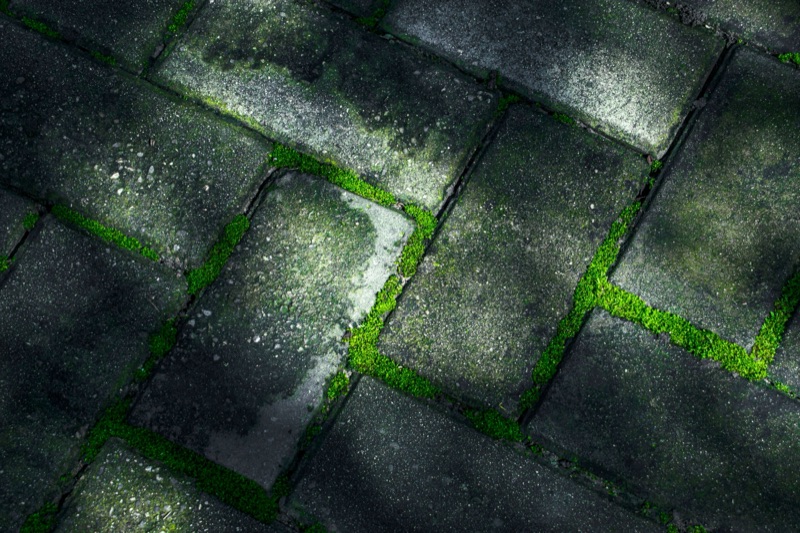
Sound concrete paving may tolerate controlled mechanical cleaning; fragile roof tiles, painted render, soft stone and ageing joints may not. Soft washing relies more on suitable chemistry and dwell time, while pressure washing relies more on water impact. Either can cause damage when misapplied.
- Record loose paint, cracks and open joints first
- Identify natural stone before using acidic products
- Keep water away from vents, electrics and open seals
Control chemistry, pressure and runoff
Choose the cleaner for the contamination and material, follow its label and test an inconspicuous area. Protect plants, metal, glass and pools; control runoff and rinse as required. Never mix cleaning chemicals, and never assume that a roof is safe to walk on.
Judge the result after drying
A wet surface can hide streaks, etching and remaining growth. Review the test patch when dry, then adjust one variable at a time. If the finish is already failing, cleaning may need to be followed by repair or repainting rather than repeated aggression.
Before requesting an estimate
Before requesting an estimate
- Surface material and existing coating
- Type and extent of staining or growth
- Condition of joints, cracks and edges
- Water, power, plants, pools and runoff route
Sources and further reading
Product instructions and the condition of the property always take priority over general guidance.


