Surface protection
Should you apply a water repellent after exterior cleaning?
A clean surface is not automatically ready for protection. The substrate must be compatible, sound, dry enough and free from active cracks, salts and contamination before a specific product is chosen.
Updated 17 September 2026 · 5 min read
What a suitable treatment can do
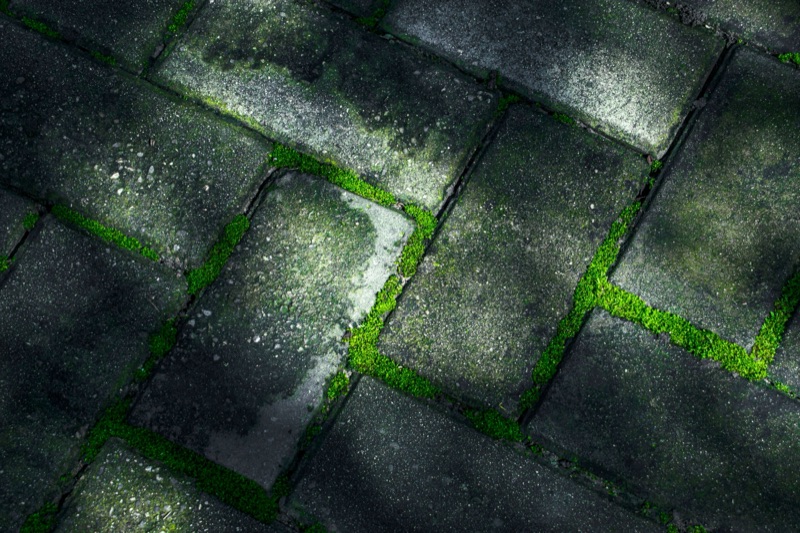
Some breathable impregnations reduce liquid-water absorption in porous mineral materials while allowing water vapour to pass. Depending on the product and substrate, this can reduce rain uptake and help limit recurring dirt, efflorescence or biological growth.
It is not the same as structural waterproofing and it does not bridge active cracks or repair failed joints.
When not to apply it yet
Do not treat a surface simply because it has just been washed. Pause when it is still wet, friable, contaminated, non-porous, coated with an incompatible finish or affected by unresolved leaks and cracks. Trapped salts or moisture can make the next symptom harder to interpret.
- Confirm the substrate and existing coating
- Repair open cracks and failed joints
- Remove algae, dust and residues
- Allow the drying time required by the product
Make the decision with a test area
Choose a discreet representative area and follow the technical sheet. Check absorption, colour change, streaking and the response after full drying. Protect windows, metal, plants and pool water, and record the exact product, batch and treated area for future maintenance.
Before requesting an estimate
Before requesting an estimate
- Surface material and any existing coating
- Photographs of cracks, salts and previous repairs
- A small absorption and appearance test
- Product name, treated area and application date
Sources and further reading
Product instructions and the condition of the property always take priority over general guidance.


