Walls & moisture
What do white salt marks on Algarve walls mean?
White powder or crystals can be salts carried to the surface by water. Cleaning the mark may improve the appearance, but a recurring patch calls for the moisture route to be investigated.
Updated 17 September 2026 · 5 min read
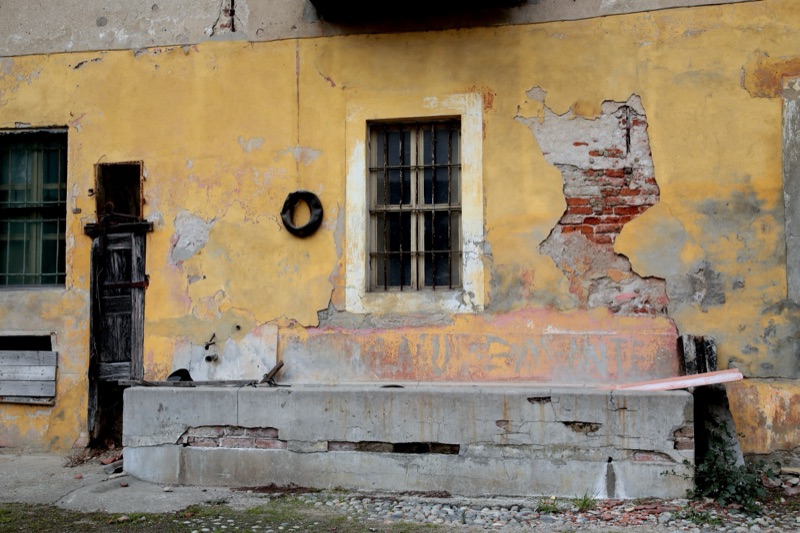
Start with the pattern, not the product
Photograph the mark dry and after rain. Note whether it sits below a coping, beside an irrigation line, near ground level or around a crack. New masonry can show temporary bloom; a local mark that returns later may indicate ongoing water entry.
- Record the date and recent weather
- Check the same area inside and outside
- Look above the stain for joints, pipes and edges
Test gently and protect the substrate
Dry brushing may remove a loose deposit, but natural stone, render and painted walls do not tolerate the same treatment. Acidic products can damage calcareous stone, and a strong wash can spread moisture or scar a finish. Identify the surface and test a small hidden area first.
Fix the route before repainting
If the deposit returns, inspect drainage, coping, seals, cracks, irrigation and contact with damp soil. Let the assembly dry and confirm that the cause is controlled before sealing or painting; otherwise the new finish can blister or peel.
Before requesting an estimate
Before requesting an estimate
- Wide and close photographs of the mark
- Location relative to roof, ground, pool or irrigation
- Whether it returns after dry brushing
- Wall or stone type and any previous coating
Sources and further reading
Product instructions and the condition of the property always take priority over general guidance.


