Remote assessment
How to photograph a property for a useful remote estimate
A useful photograph answers one question at a time: where is the surface, how large is it, what condition is it in and how can it be reached?
Updated 17 September 2026 · 6 min read
The five-photo sequence
Begin with the whole property, then photograph the complete wall, roof or paved area. Add a close-up of the problem, the access route and one second elevation or useful measurement. Keep the phone level and use daylight where possible.
This sequence lets a reviewer connect the defect to its real surroundings instead of guessing from an isolated close-up.
- One full-property overview
- The complete working surface in context
- A close-up of staining, cracking, peeling or growth
- The gate, path, steps, height or other access constraint
- A second elevation, measurement or recognisable scale reference
Roof photographs: safety first
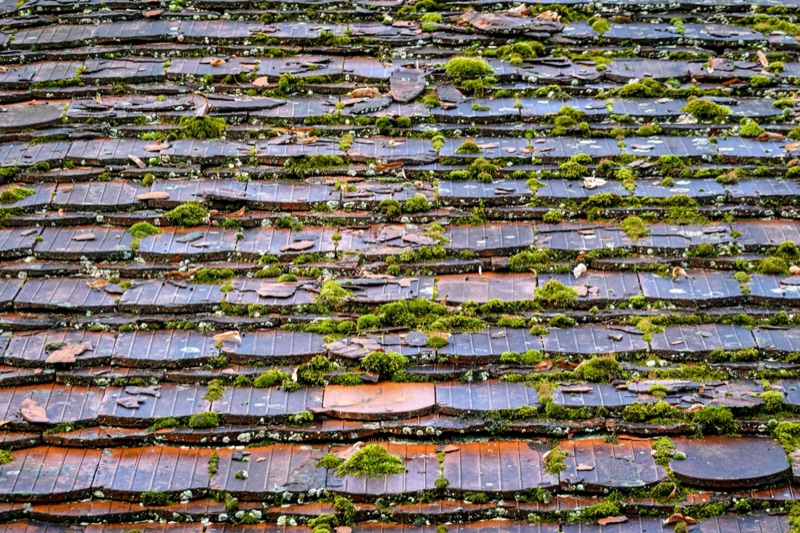
Photograph a roof only from safe ground, a balcony, an existing window or another position already intended for normal access. A roofline view, tile type, gutters, downpipes and visible growth are more useful than a risky close-up.
Never climb onto a roof, ladder or unstable structure for an estimate photograph. If the important area cannot be seen safely, say so: the correct next step may be a site visit.
Façades, paving and interiors
For a façade, take one view straight on and another showing a corner, the base of the wall, downpipes and nearby planting. Then add close-ups of cracks, loose coating, salts, mould or staining.
For paving, show the whole area, drainage direction, joints and the affected surface. For interiors, show the entire room before the damaged zone, including windows, furniture and access that may affect protection or working space.
Add location, measurements and privacy
An Algarve area or map pin and any known dimensions make the photographs much more useful. A door, window or tape measure can provide scale, but photographs do not confirm hidden damage, exact quantities or safe access on their own.
Avoid faces, vehicle plates, house numbers, keys, alarm controls, access codes and personal documents. A remote range remains indicative until the necessary details are verified and, where needed, the property is visited.
Before requesting an estimate
Before requesting an estimate
- One full-property overview
- One image of the complete working surface
- One or two close-ups of damage or contamination
- One safe view of access, height or obstacles
- Area or map pin and any known dimensions
Sources and further reading
Product instructions and the condition of the property always take priority over general guidance.


